Electric tricycles (especially in freight scenarios) have strict requirements on the high-load output and harsh environment resistance of lithium batteries, and the stability of cell supply directly affects supply chain security. This article elaborates on the technical characteristics and supply advantages of electric tricycle-specific lithium batteries from three core dimensions: heavy-load adaptation technology, cell quality control, and supply chain guarantee system.
In terms of heavy-load scenario technical adaptation, to meet the 1.5-ton load and 30° climbing requirements of freight tricycles, high-rate LiFePO4 cells (continuous discharge rate 3C, peak discharge rate 5C) are adopted to develop a dedicated battery pack (model: E-Trike-LFP-60200) with a rated voltage of 60V, capacity of 200Ah, continuous discharge current of 100A, and peak discharge current of 200A, ensuring stable power output under climbing and heavy-load conditions. The cells use ceramic separators and high-conductivity electrolyte with an internal resistance of ≤8mΩ, and the temperature rise is ≤15℃ during high-current discharge to avoid thermal runaway risks.
The cell quality control system is the core of stable supply. The factory is equipped with an independent cell production line and adopts the MES system for full-process traceability. From cathode materials (LiFePO4), anode materials (artificial graphite) to electrolyte, top-tier industry suppliers are selected, with a raw material inspection pass rate of 100%. The cell production process undergoes 12-process inspection, with a capacity consistency rate of ≥99% and a cycle life of ≥3000 times (1C charge/discharge, 80% DoD). Each batch of cells provides third-party test reports (SGS/Intertek), including key parameters such as capacity, internal resistance, and cycle life.
The supply chain guarantee system adopts a dual model of "independent production + long-term locked supply", signing annual supply contracts with top-tier cell enterprises such as CATL and BYD to ensure an annual supply of core raw materials of ≥50 million Ah. A 15-day raw material safety stock is established to cope with sudden production capacity fluctuations. The battery pack assembly process passes 96-hour neutral salt spray test (ASTM B117 standard), 10G vibration test (6 hours) and -30℃~60℃ high-low temperature cycle test (50 times), with IP67 protection rating adapting to outdoor working conditions such as mud and dust. The BMS is equipped with active balancing technology (balancing current 1A), which can repair cell differences and extend the service life of the battery pack. The entire series of products have passed UN38.3 and CE (ECE R100) certifications to ensure smooth global supply chain.
Keywords: Electric tricycle lithium battery, Freight tricycle lithium battery, High-load lithium battery, Lithium battery supplier, Stable cell supply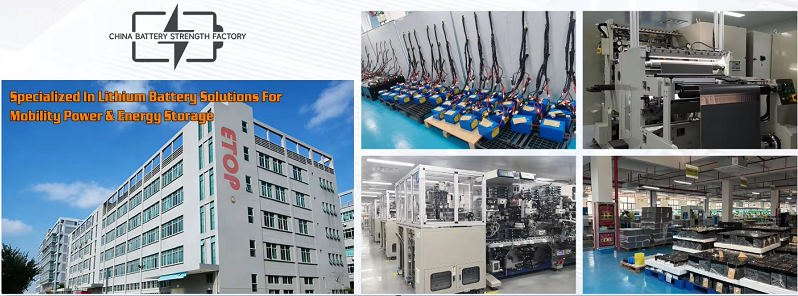

 Lead-Acid to Lithium: Calculating Your TRUE Return on Investment.
 Why Did My E-Bike “Suddenly Die”? Understanding BMS Protection.
 Sudden Power Drop When Accelerating? It’s Not Your Battery’s Fault
 日本語
日本語  Español